Technical SEO Services: Fix Indexing, Speed, and Schema to Rank
The digital landscape is more competitive than ever, especially for service businesses that rely on search engine visibility to attract new clients. Gone are the days when a few keywords and backlinks could guarantee top rankings on Google. Today, technical SEO services are essential to ensure your website gets crawled, indexed, and displayed correctly in search results. Without a solid technical foundation, even the best content and design can go unnoticed by your target audience.
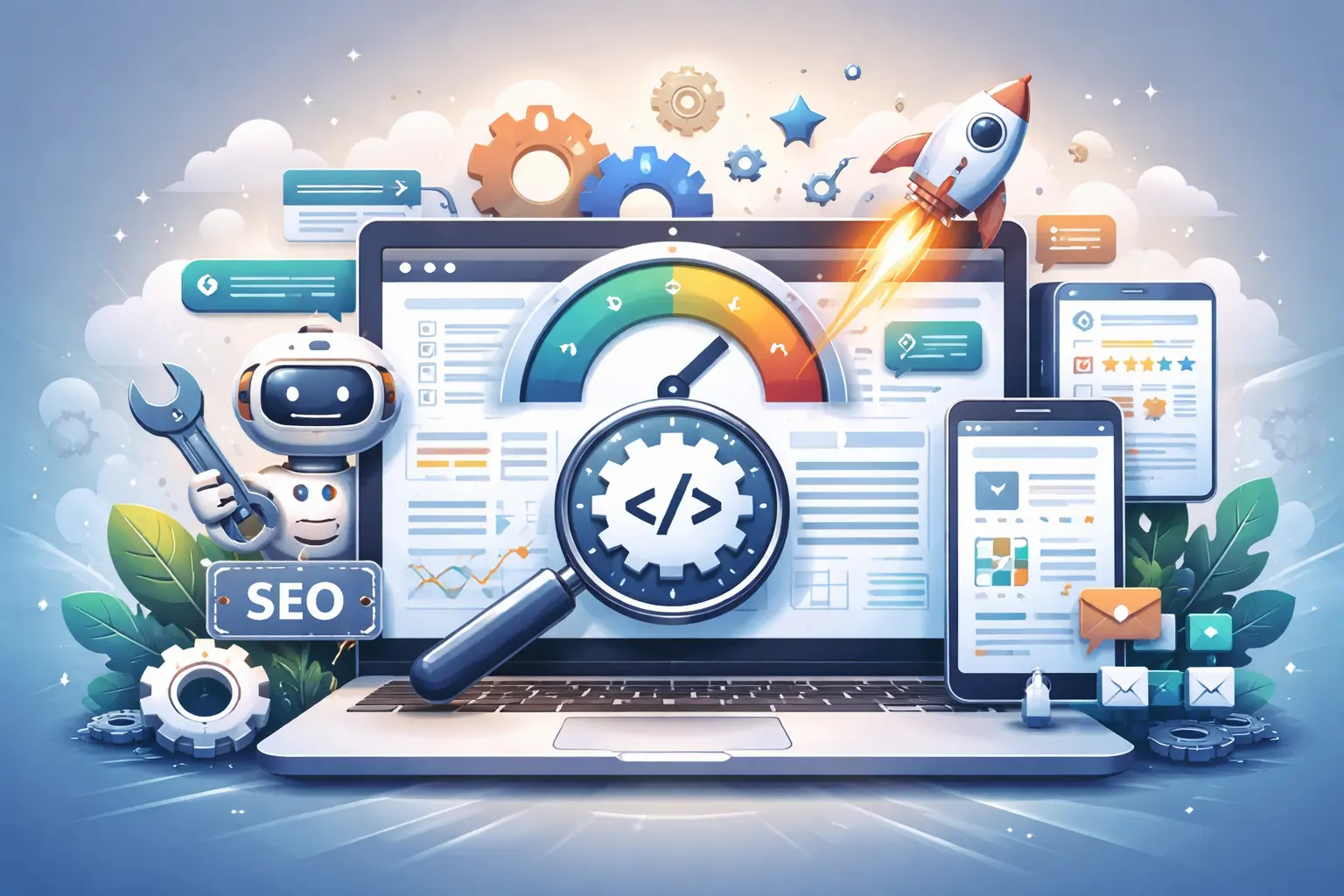
Technical SEO goes far beyond what most business owners and even many marketers realize. It involves a meticulous process of auditing site architecture, fixing crawling and indexing issues, optimizing site speed, implementing structured data (schema), and ensuring mobile usability. Proper technical SEO services are the linchpin that holds all other SEO efforts together, preventing your content from being buried deep in the search engine results pages (SERPs).
In this comprehensive guide, we’ll dive deep into the technical SEO priorities that drive rankings for service businesses. We’ll break down essential strategies around schema, site speed, and quality assurance before publishing new pages. Whether you’re considering hiring a web design agency or looking to enhance your in-house SEO processes, understanding these technical requirements will help your company outrank competitors and deliver a seamless experience to users and search engines alike.
Technical SEO Priorities for Service Businesses
For service businesses, technical SEO priorities differ from those of eCommerce or content-heavy publishers. The main objective is to connect with local and national customers who are actively searching for your expertise. However, this audience won’t find your services unless your website is technically sound and optimized for both users and search engines. Investing in technical SEO services is crucial for ensuring that every aspect of your site works together to drive leads and conversions.
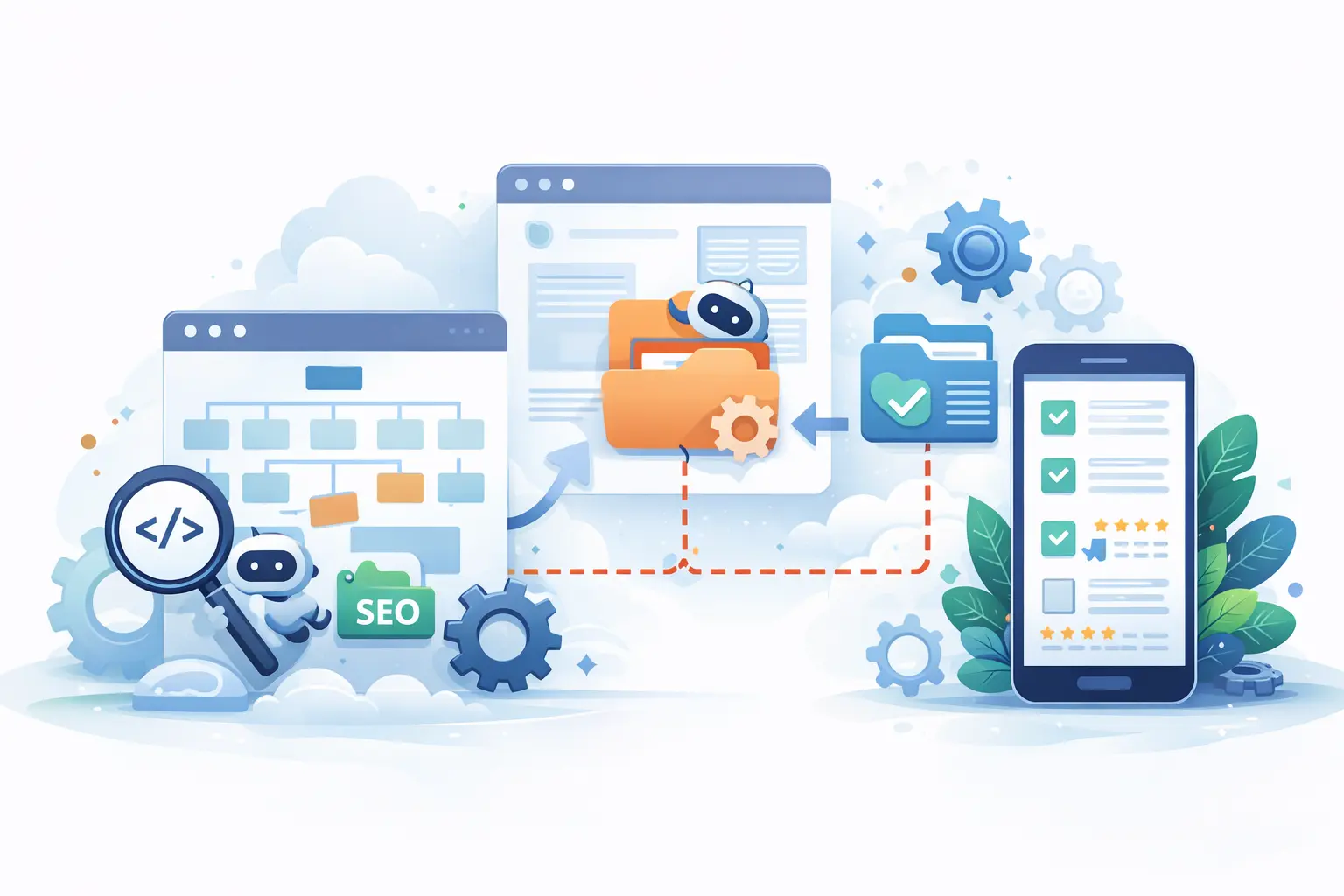
The first priority is crawlability and indexability. If search engines can’t access or properly interpret your site’s pages, your offerings won’t appear in relevant queries. This requires an in-depth SEO audit, which checks for errors in robots.txt, XML sitemaps, and internal linking. The audit should also uncover duplicate content, broken links, and improper canonical tags, all of which can dilute your site’s authority and cause ranking drops.
Beyond crawlability, site architecture plays a major role. Service businesses should structure their websites so that both users and search engines can easily navigate to key service pages, contact information, and testimonials. Internal linking strategies should reinforce the most important pages, while ensuring no orphaned content is left behind. Regular technical audits, delivered by reputable SEO services, help maintain this structure and keep your site in top shape.
Lastly, mobile usability and page experience are now direct ranking factors. Service businesses must ensure their websites are fully responsive, load quickly on all devices, and offer intuitive navigation. Google’s algorithms increasingly prioritize sites that deliver a seamless mobile experience, making technical SEO solutions indispensable for service providers targeting clients on the go.
Schema Basics That Improve Click-Through
Schema markup, also known as structured data, helps search engines better understand your website’s content. For service businesses, implementing the right schema types can dramatically enhance search visibility and click-through rates (CTR). By providing context about your services, reviews, and contact details, schema increases the likelihood of your listings appearing as rich results, those eye-catching search results with stars, FAQs, and additional information.
At its core, schema bridges the communication gap between your website and search engines. For example, adding LocalBusiness schema informs Google about your business’s name, address, phone number, and service area. Review and Rating schema can display star ratings directly in search results, making your business instantly stand out among competitors. These enhancements not only boost CTR but also build trust with potential clients before they even click through to your site.
Implementing schema doesn’t have to be complicated, but it must be accurate. Errors or incomplete markup can prevent rich results from displaying or cause Google Search Console warnings. Reliable SEO audit services can identify missed opportunities for schema and ensure your implementation follows best practices. Testing your schema using tools like Google’s Rich Results Test or Search Console is essential before publishing.
Finally, schema should be updated regularly as your business evolves. If you add new services, update hours, or receive new reviews, your schema should reflect those changes. This ongoing technical SEO effort ensures your business information is always current, relevant, and appealing to both search engines and potential customers.
Site Speed: LCP/INP/CLS Quick Fixes
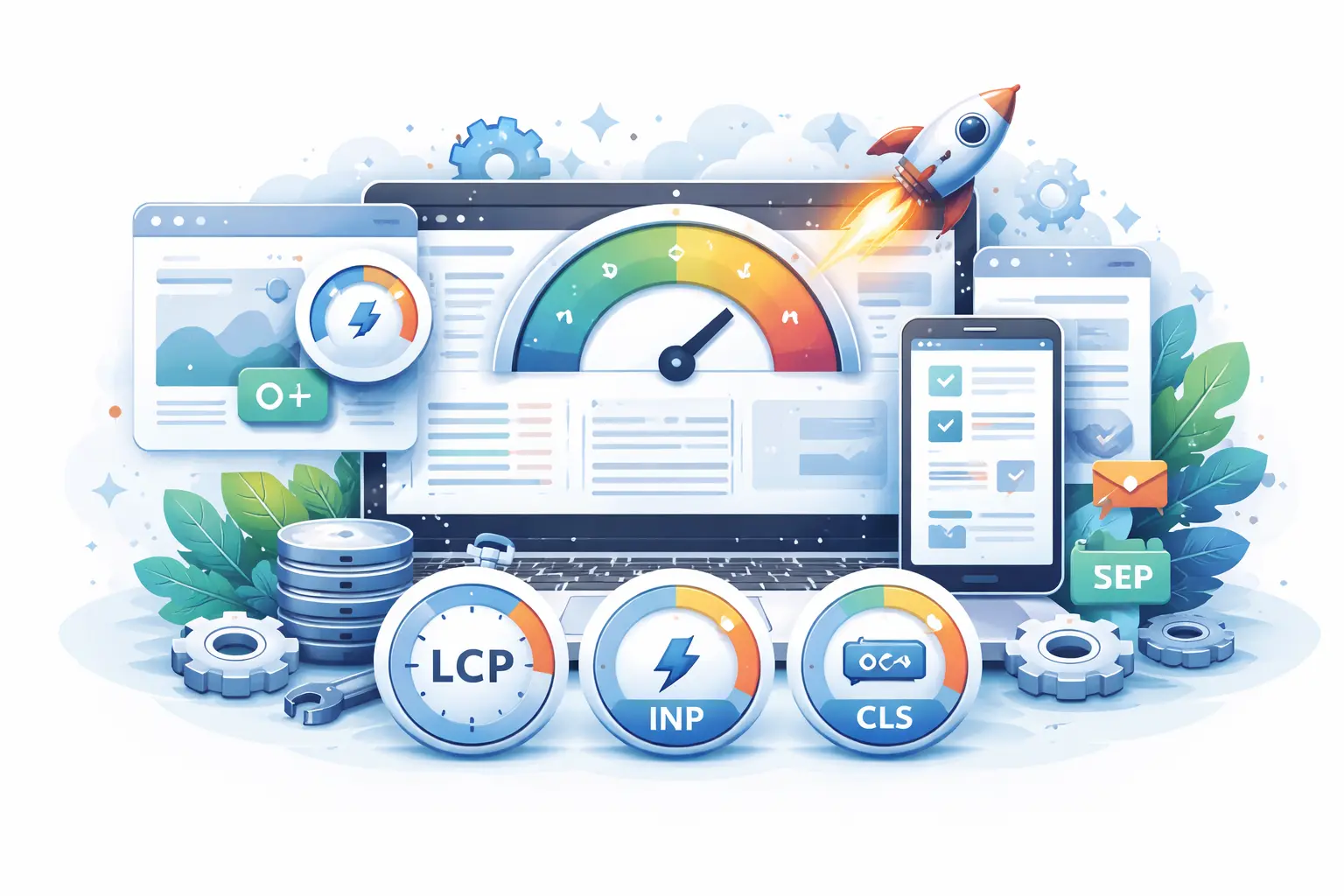
Site speed is a critical component of technical SEO services. Google’s Core Web Vitals, LCP (Largest Content Paint), INP (Interaction to Next Paint), and CLS (Cumulative Layout Shift), directly impact both your rankings and your users’ experience. If your site loads slowly or shifts unexpectedly, visitors are likely to bounce, costing you valuable leads and conversions. Addressing these metrics should be at the top of your SEO checklist.
LCP measures how long it takes for the main content of a page to load. For service businesses, this often means ensuring that hero images, banners, and service highlights appear quickly. Optimizing images by compressing them and using next-gen formats like WebP can dramatically reduce load times. Additionally, leveraging browser caching and a reliable content delivery network (CDN) can further improve LCP scores.
INP evaluates how quickly your website responds to user interactions. Slow response times can frustrate visitors, especially if contact forms or service request buttons lag. Minimizing JavaScript, deferring non-essential scripts, and streamlining your site’s codebase are effective strategies to improve INP. Tools like Google Lighthouse or PageSpeed Insights can pinpoint problem areas and suggest actionable fixes.
CLS assesses visual stability. Unexpected movements, such as images shifting as ads load, degrade user experience. To fix CLS, always specify image dimensions in your HTML, reserve space for dynamic content, and avoid inserting new elements above existing content during page load. Regular speed audits, offered by a qualified web design agency, ensure your site remains fast and stable, helping you maintain both rankings and user satisfaction.
Technical SEO QA Before Publishing
Quality assurance (QA) is a non-negotiable step in any technical SEO process. Before publishing new content or launching a redesigned service page, it’s imperative to run a thorough technical check. Even small errors can cascade into bigger issues, impacting your rankings, user experience, and lead generation efforts. This is why many businesses partner with professional SEO services that specialize in technical QA.
A comprehensive QA checklist covers everything from meta tags and internal links to schema markup and mobile usability. All headings should follow a logical hierarchy, and primary keywords must be integrated naturally within the content. Additionally, check for duplicate content, broken links, and crawl errors using tools like Screaming Frog or Google Search Console. These checks help catch issues that may have slipped through during content creation.
Testing site speed and mobile responsiveness on various devices ensures your pages perform well for all users. If your site is powered by WordPress, it’s wise to test for plugin conflicts or theme compatibility issues. SEO audit services can include automated and manual tests to validate everything from canonicalization to structured data accuracy. This pre-launch diligence prevents costly mistakes and ensures your page is search-ready from day one.
Lastly, document any changes made during the QA process. Keeping a changelog helps your team quickly troubleshoot future issues and maintains a record of technical improvements. If you work with a web design agency, this documentation streamlines collaboration and ensures everyone is aligned on best practices for ongoing SEO success.
How Indexing Errors Stifle Growth
Indexing errors represent one of the most critical threats to a service business’s online visibility. When search engines fail to index your key pages, those pages become invisible to prospective clients searching for your services. Indexing issues can occur for a variety of reasons, including noindex tags, disallowed URLs in robots.txt, or technical glitches relating to your CMS. If left unaddressed, these problems can cause a significant drop in both traffic and conversions.
The first sign of an indexing issue is often a sharp decline in organic impressions or clicks, as seen in Google Search Console. A detailed technical SEO audit can help identify exactly which pages are affected and why. Common culprits include duplicate content, thin content, or parameterized URLs that create multiple versions of the same page. Search engines may also skip pages if they perceive low-quality or irrelevant content, further underlining the importance of comprehensive SEO services.
Fixing indexing errors usually involves a combination of technical and on-page SEO services. This includes cleaning up sitemaps, correcting canonical tags, consolidating duplicate pages, and ensuring that all important pages are internally linked from the main navigation or other high-authority pages. For service businesses, being proactive about these fixes is essential, as every missed page is a lost opportunity to attract and convert clients.
Ongoing monitoring is key. Set up regular checks in Google Search Console, and schedule monthly technical audits to catch new indexing issues as your site evolves. Partnering with a reputable SEO services provider ensures that your site remains continuously optimized and that growth isn’t stifled by preventable technical problems.
On-Page SEO Services: Technical Foundations
On-page SEO services are often associated with keyword optimization and content quality, but their technical foundations are just as crucial. Elements like meta tags, header structure, alt text, and internal linking all contribute to how search engines interpret and rank your site. A strong technical base ensures that every on-page optimization effort delivers maximum impact.
Start with title tags and meta descriptions, these not only affect rankings but also influence click-through rates from the search results. Ensure that each page has a unique, keyword-optimized title and a compelling meta description that accurately reflects the page content. Avoid duplicate or missing tags, as these can confuse search engines and dilute your ranking power.
Properly structured headings (H1, H2, H3, etc.) help both users and search engines understand the hierarchy and relevance of your content. Each page should include one H1 that matches the primary topic, followed by descriptive subheadings that break up the text. Alt text for images is another technical detail that supports accessibility and can drive additional traffic from image search.
Internal linking is often overlooked but is a cornerstone of technical on-page SEO. Linking service pages, blog posts, and testimonials ensures that link equity flows throughout your site, boosting the authority of key pages. Regularly auditing your internal links prevents broken links and orphaned pages, helping your site stay organized and search-friendly.
SEO Audit Services: What to Expect
A professional SEO audit is the foundation of any effective technical SEO strategy. Audit services go beyond surface-level checks, diving deep into your site’s architecture, content, and technical infrastructure. Understanding what to expect from a thorough audit can help you choose the right provider and set realistic goals for your SEO project.
The audit process typically begins with a crawl of your website to identify issues such as broken links, duplicate content, and crawl errors. Tools like Screaming Frog, Sitebulb, and Google Search Console are essential for uncovering these technical problems. The audit will also evaluate your robots.txt file and XML sitemaps to ensure search engines can access and index your most important pages.
In addition to identifying issues, a quality SEO audit will prioritize them based on potential impact. This allows businesses to address the most critical problems first, such as fixing 404 errors on high-traffic pages or resolving canonicalization issues that could lead to keyword cannibalization. Each recommendation should be accompanied by clear, actionable steps for remediation.
Finally, expect a detailed report that includes both findings and a roadmap for ongoing technical improvements. Many businesses benefit from partnering with a web design agency that offers ongoing SEO audit services, ensuring your technical SEO remains up to date as your website grows and evolves.
Collaboration Between SEO and Web Design Agencies
The relationship between technical SEO experts and web design agencies is critical for sustained online success. While designers focus on aesthetics and usability, SEO specialists ensure that every design decision supports search engine visibility and technical performance. When these two disciplines work in harmony, service businesses benefit from websites that not only look great but also rank well and convert visitors.
Early collaboration between SEO and design teams can prevent costly rework down the line. For instance, decisions about site architecture, navigation, and page templates should be made with both user experience and search engine requirements in mind. This joint approach ensures that technical SEO best practices, such as fast load times, mobile responsiveness, and schema integration, are baked into the website from the outset.
Ongoing communication is equally important. As your service offerings evolve or as Google’s algorithms change, both SEO and design teams must adapt quickly. Regular check-ins, shared documentation, and clear workflows help both sides stay aligned. Many businesses choose to work with agencies that offer both web design and SEO services under one roof for this reason, ensuring seamless collaboration and faster implementation.
Ultimately, successful service businesses view technical SEO and web design as two sides of the same coin. By fostering a collaborative environment, you position your brand for better rankings, stronger engagement, and sustained growth in an increasingly competitive digital marketplace.
Future-Proofing Your Technical SEO
The world of SEO is in constant flux, with search engines regularly updating their algorithms and introducing new ranking factors. Future-proofing your technical SEO strategy is about more than just keeping up with the latest trends, it’s about building a resilient, adaptable website that can weather changes and continue to generate leads for your service business over time.
One key aspect of future-proofing is staying proactive rather than reactive. Regular technical audits, close monitoring of your Core Web Vitals, and timely updates to your schema markup ensure your website remains competitive even as Google’s requirements evolve. Investing in ongoing SEO services instead of one-off fixes creates a culture of continuous improvement that pays dividends in the long run.
Embracing new technologies, such as server-side rendering, headless CMS, or advanced caching solutions, can also give your business an edge. These innovations can dramatically improve site speed, scalability, and security, factors that will only become more important as search algorithms become more sophisticated. Working with a forward-thinking web design agency gives you access to the latest tools and expertise.
Finally, remember that technical SEO is an ongoing process, not a one-time project. Set aside resources for monthly check-ups, keep your development and marketing teams informed of new best practices, and be willing to adapt. This commitment to continuous technical optimization will help your service business thrive, no matter what the future holds for search.
Conclusion
Technical SEO services are the unsung heroes behind top-ranking websites for service businesses. By addressing the foundational elements, indexing, speed, schema, and quality assurance, you ensure that your site is discoverable, fast, and appealing to both search engines and potential clients. These technical factors underpin all your digital marketing efforts and directly impact your ability to attract and convert leads.
Whether you’re working with a specialist or a full-service web design agency, investing in technical SEO is a smart move for long-term growth. By prioritizing regular audits, embracing best practices, and fostering collaboration between your SEO and design teams, you’ll build a website that consistently ranks, delights users, and drives business results in a rapidly evolving online landscape.
Resources
Below are trusted references used to support the technical SEO concepts covered in this guide
(crawling/indexing, sitemaps, structured data, and Core Web Vitals).
Understand SEO pricing in the US—typical monthly retainers, project costs, and what impacts rates (competition, location, website). Learn common SEO packages, red flags in cheap offers, and how to measure ROI with analytics & reporting.
Modern on-page SEO services template for ranking service pages in 2026; covering search intent mapping, AI-friendly structure, internal linking for topical authority, technical SEO, Core Web Vitals, and conversion-focused UX.
Technical SEO services for businesses: fix crawl & indexing issues, improve Core Web Vitals (LCP/INP/CLS), and implement schema to boost rankings and CTR.
Local SEO Services: 2026 Playbook for Google Business Profile In today’s digital marketplace, the way customers discover and interact with local business.
Get a 45-minute SEO audit that uncovers crawl/indexing blockers, Core Web Vitals quick wins, on-page fixes, backlink risks, and a prioritized roadmap, so you can turn SEO insights into measurable revenue.
Stay Ahead of the Competition
Join our newsletter to receive the latest updates in technology and marketing trends straight to your inbox. Stay informed and take the lead