
On-Page SEO Services: Modern Template for Ranking Service Pages
In today’s digital landscape, on-page SEO services are crucial for any business aiming to achieve strong search engine rankings and sustainable online growth.
Service pages, in particular, require a unique approach to optimization that balances user experience, technical precision, and content strategy. Whether you operate an established SEO company or are exploring SEO audit services for the first time, mastering the elements of on-page optimization can make the difference between page one rankings and obscurity.
Service pages are more than just digital brochures, they are conversion engines. To maximize their potential, you need a modern, data-driven template that reflects the latest best practices in SEO, user experience, and content creation. This guide will walk you through every aspect of optimizing your service pages, from understanding search intent to building internal links that establish topical authority. You’ll discover proven strategies used by leading SEO companies, with practical examples and actionable checklists to implement right away.
By leveraging comprehensive on-page SEO services and content strategy services, you’ll not only improve your website’s visibility but also provide greater value to potential customers. Whether you’re an agency, freelancer, or in-house marketer, this template offers a roadmap for transforming your service pages into powerful assets that drive traffic, engagement, and revenue. Let’s dive into the essential elements of effective on-page optimization.
Search Intent Mapping (Commercial vs Informational)
Understanding search intent is the foundation of successful on-page SEO services. Every search query has an underlying purpose, which can be broadly classified as informational or commercial. Informational intent means the user is seeking knowledge or answers, while commercial intent indicates the user is considering a purchase or engaging a service. Mapping your service pages to the correct intent ensures your content aligns with what users expect, increasing the likelihood of high rankings and conversions.
For SEO services pages, commercial intent is typically predominant. Users searching for terms like “best SEO company” or “SEO audit services” are likely looking to hire a provider rather than simply learn about SEO. Your content should reflect this by emphasizing value propositions, clear calls to action, and service details. However, integrating elements that address informational queries, such as FAQs or brief educational sections, can capture a broader audience and funnel them toward conversion.
Effective intent mapping begins with keyword research and competitor analysis. Identify the primary intent behind your target keywords and structure your page to satisfy that intent. Use headings, bullet points, and concise sections to highlight solutions and benefits for commercial pages, while reserving in-depth explanations for blog posts or informational guides. By aligning your content with user intent, you’ll improve both user satisfaction and SEO performance.
Blending Intent for Maximum Reach
While it’s important to focus on commercial intent for service pages, blending in informational content can increase engagement and trust. Consider including a short explainer about what on-page SEO services entail, followed by testimonials or case studies to appeal to visitors at various stages of the buyer’s journey. This approach demonstrates expertise and builds credibility, making it easier to guide users toward your desired action.
Page Structure That AI + Humans Prefer
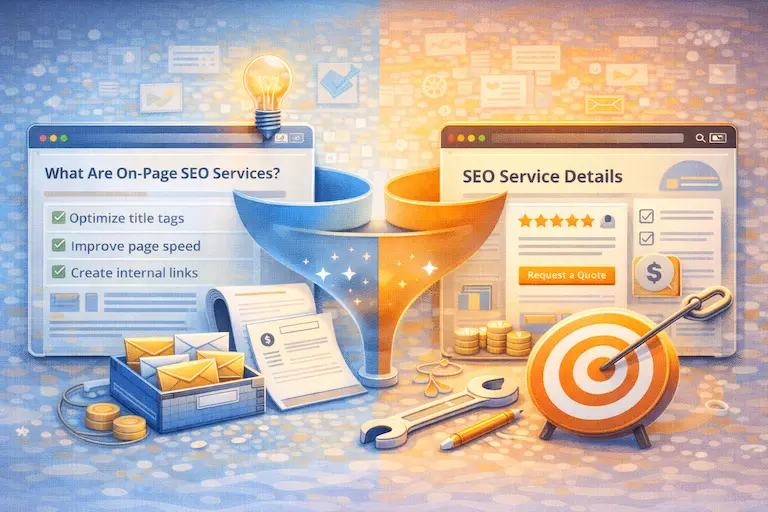
Modern on-page SEO services must cater to both search engines and human visitors. An effective page structure is not only visually appealing but also logically organized for easy navigation and comprehension. Clear headings, short paragraphs, and strategic use of bullet points help break up information, making your service pages more digestible. Both AI-driven search algorithms and human users reward well-structured content with greater engagement and higher rankings.
Start with a compelling introduction that sets the stage for your service offering, followed by sections that address key questions, features, and benefits. Use descriptive subheadings to guide readers and search engines through your content. Incorporate internal links to related services, such as digital marketing solutions or specialized SEO services, to keep users engaged and distribute ranking power across your site.
Visual hierarchy is also essential. Use font size, color, and whitespace to draw attention to important elements like calls to action, testimonials, and service highlights. Include concise, persuasive copy near conversion points to encourage users to take the next step. This approach ensures your service pages are not only optimized for SEO, but also designed for optimal user experience.
Mobile-First Considerations
With the majority of users browsing on mobile devices, your page structure must be responsive and mobile-friendly. Ensure that buttons, links, and forms are easy to interact with on smaller screens. Fast load times, intuitive navigation, and legible font sizes all contribute to a seamless experience, which benefits both your users and your search rankings.
Internal Linking That Builds Topical Authority
Internal linking is a powerful yet often overlooked aspect of on-page SEO services. Thoughtfully crafted internal links help search engines understand the relationship between your service pages and the broader site architecture. By linking related service offerings and supporting content, you can establish topical authority and increase the visibility of high-value pages.
For example, if your agency offers both on-page SEO services and content strategy services, linking between these pages demonstrates their interconnectedness. This not only improves crawlability but also guides users to discover relevant solutions that meet their needs. Use descriptive anchor text that reflects target keywords, such as “SEO audit services” or “full-service SEO company,” to reinforce topical relevance without keyword stuffing.
Internal linking strategies should prioritize quality over quantity. Focus on linking to cornerstone content, service overviews, and high-performing blog posts that support your core offerings. Regularly review and update your internal links to ensure they remain relevant and error-free. Over time, this approach will help your service pages gain authority, rank for more keywords, and deliver a better overall experience to visitors.
Contextual Linking Best Practices
Context matters when adding internal links. Place links where they enhance user understanding or provide next steps, such as within solution summaries or after explaining a complex service. Avoid excessive linking, and always use language that makes sense in context. This strategy helps users and search engines alike navigate your site more effectively, boosting both engagement and rankings.
Optimization Checklist + Examples
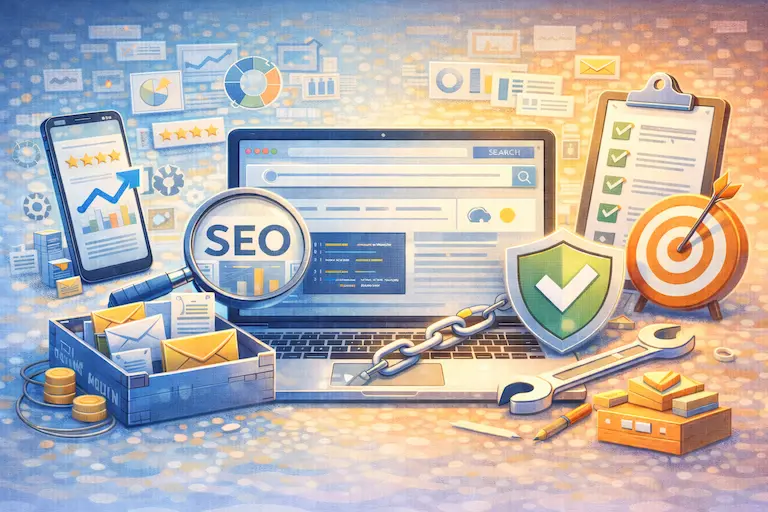
A comprehensive optimization checklist ensures that nothing is missed when launching or updating service pages. Start by targeting relevant keywords, such as “on-page SEO services” and “SEO audit services,” in strategic locations: title tags, meta descriptions, H1s, and throughout the body content. Next, optimize images by compressing files and including descriptive alt text. Ensure all URLs are short, descriptive, and keyword-rich without being spammy.
Address technical SEO fundamentals, including mobile responsiveness, page speed, secure HTTPS protocols, and schema markup for enhanced search results. Incorporate clear, compelling calls to action, like “Request a Free SEO Audit” or “Contact Our SEO Company”; at multiple points throughout the page. Don’t forget to add trust signals such as testimonials, industry certifications, or client logos to build credibility.
To illustrate these principles, consider a high-performing service page that begins with a concise summary of on-page SEO services, followed by a bulleted list of deliverables, a testimonial carousel, and a contact form. Strategic internal links guide users to learn more about your team or explore related digital marketing services. This structure not only improves SEO but also increases user engagement and conversion rates.
Sample Optimization Checklist
- Keyword-optimized title and meta description
- Structured headings (H1, H2, H3)
- Internal links to related services and resources
- Alt text for all images
- Mobile-friendly design
- Clear calls to action
- Trust-building elements (testimonials, badges)
- Fast load times and secure protocols
Content Strategy Services: Creating Value-Driven Service Pages
Effective content strategy services are at the heart of every high-performing service page. Rather than simply listing your offerings, focus on crafting value-driven narratives that address your audience’s pain points and aspirations. Start by identifying your unique selling propositions and weaving them into compelling stories that resonate with your ideal clients. This approach not only differentiates your SEO company but also positions you as a trusted advisor in your industry.
Research plays a critical role in shaping your content strategy. Analyze top-ranking competitors, study customer reviews, and survey your own clients to uncover common questions and concerns. Use these insights to create service page copy that anticipates objections, highlights benefits, and provides clear next steps. Incorporate actionable tips or brief case studies to demonstrate real-world impact and build trust with prospective clients.
Content should be updated regularly to reflect industry trends, algorithm changes, and evolving client needs. By providing fresh, relevant information, you signal to search engines and users that your services are current and reliable. Consider partnering with a professional agency for content strategy services to ensure your messaging remains sharp, persuasive, and aligned with your overall marketing goals.
Storytelling for SEO Services
Storytelling is a powerful tool in service page optimization. Use client success stories, before-and-after scenarios, and relatable narratives to illustrate the value of your on-page SEO services. This not only humanizes your brand but also provides tangible proof of your expertise, encouraging visitors to take the next step.
SEO Audit Services: Laying the Groundwork for Optimization
Before implementing any on-page SEO strategies, it’s essential to conduct a thorough SEO audit. SEO audit services provide a comprehensive assessment of your website’s current performance, technical health, and content effectiveness. The insights gained from an audit form the foundation for all subsequent optimization efforts, ensuring that your service pages are built on solid ground.
A typical SEO audit covers key areas such as site architecture, crawlability, indexation, page speed, mobile usability, and on-page elements like titles, meta descriptions, and headings. It also evaluates internal linking structure and identifies opportunities for improvement. By understanding where your site stands, you can prioritize fixes that will have the greatest impact on rankings and user experience.
For agencies and businesses alike, investing in professional SEO audit services can uncover hidden issues that hinder performance. The resulting action plan will guide your content strategy, technical enhancements, and link-building efforts, ensuring your service pages are fully optimized for both search engines and users. Regular audits are recommended to stay ahead of algorithm changes and maintain a competitive edge.
Translating Audit Insights into Action
The true value of an SEO audit lies in actionable recommendations. Use your audit findings to prioritize on-page fixes, update outdated content, and refine internal linking. This proactive approach ensures continual improvement and sustained growth for your service pages.
User Experience (UX) and Conversion Optimization for Service Pages
User experience (UX) is a critical component of any effective on-page SEO strategy. A service page that is easy to navigate, visually appealing, and quick to load will naturally keep visitors engaged and lower bounce rates. Intuitive layouts, clear headings, and strategically placed calls to action guide users through the page, making it easier for them to find what they need and take the desired action.
Conversion optimization goes hand-in-hand with UX. Use persuasive copywriting, value-driven offers, and social proof elements, such as reviews and case studies, to move visitors from interest to action. Well-designed forms and contact options, such as a prominent “Request a Quote” button or a streamlined inquiry form, simplify the conversion process and increase the likelihood of capturing leads.
Regularly test and refine your page elements using analytics data and A/B testing to identify what resonates most with your audience. Small changes to button color, form placement, or headline copy can have a significant impact on conversion rates. By prioritizing both UX and conversion optimization, you create a seamless journey that benefits both users and your bottom line.
Accessibility Matters
Ensure your service pages are accessible to all users, including those with disabilities. Use proper heading structure, alt text for images, and sufficient color contrast. Not only does this improve user experience for everyone, but it also aligns with search engine best practices, further supporting your SEO goals.
Technical SEO Considerations for Service Pages
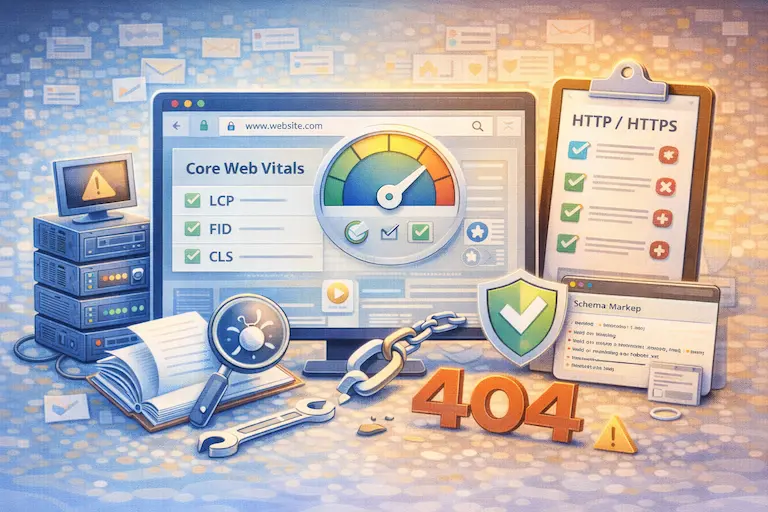
Technical SEO is the backbone of effective on-page SEO services. Even the most compelling content will struggle to rank if your service pages are plagued by technical issues. Key considerations include clean, crawlable code, fast load times, secure HTTPS protocols, and proper use of structured data to enhance your search listings.
Regularly monitor your site for broken links, duplicate content, and crawl errors. Tools such as Google Search Console can help you identify and resolve technical problems quickly. Additionally, implementing schema markup, such as LocalBusiness or Service schema, can improve your service pages’ visibility in rich results, driving more qualified traffic to your site.
For businesses with a local presence, local SEO optimizations are essential. Ensure your name, address, and phone number (NAP) are consistent across your service pages and business directories. Embed Google Maps, encourage customer reviews, and optimize for location-based keywords to attract local clients. Technical excellence ensures your service pages are discoverable, indexable, and competitive in search results.
Maintaining Technical Health
Schedule regular technical audits and updates to stay ahead of issues that could impact your rankings. Addressing technical SEO proactively not only supports your current optimization efforts but also prepares your site for future search engine algorithm changes.
Measuring Success: Analytics and Continuous Improvement
The journey to top-ranking service pages doesn’t end at launch. Ongoing measurement and optimization are key to sustained success. Use analytics tools to track key performance indicators (KPIs) such as organic traffic, bounce rate, time on page, and conversion rates. These insights help you understand how users interact with your pages and where improvements can be made.
Set up goal tracking for critical actions, such as contact form submissions or phone calls, to measure the effectiveness of your service pages. Regularly review your keyword rankings and adjust your content, internal linking, and calls to action based on performance data. Benchmark against competitors and industry standards to identify new opportunities and stay ahead in the rankings.
Continuous improvement is the hallmark of a successful SEO company. Schedule periodic reviews of your service pages to update content, add new case studies, and refine your optimization strategies. By embracing a data-driven approach and leveraging insights from your analytics, you can ensure your on-page SEO services deliver ongoing value and results.
Getting Expert Guidance
If you’re unsure how to interpret analytics data or need help implementing advanced strategies, consider partnering with an experienced agency. Reach out through a dedicated contact page to discuss your goals and get customized recommendations for continuous SEO improvement.
Conclusion
Mastering on-page SEO services is essential for any business seeking to rank higher and convert more visitors on their service pages. By implementing a modern template that addresses search intent, page structure, internal linking, and technical optimization, you’ll create pages that appeal to both users and search engines. Leveraging comprehensive SEO audit services and content strategy services further amplifies your results, ensuring your offerings stand out in a competitive marketplace.
Whether you’re optimizing a single service page or scaling an entire website, the strategies outlined in this guide provide a proven roadmap for success. If you need expert guidance or want to learn more about tailored solutions, consider exploring the full range of SEO services offered by leading agencies. With the right approach, your service pages can become powerful drivers of growth, authority, and lasting business success.